Common problems with wedding flowers in Millwall venues
Posted on 12/10/2026
Wedding flowers can look effortless on the day, but anyone who has planned a ceremony in Millwall knows they are often anything but simple. Between venue restrictions, tight delivery windows, transport around E14, and the very real risk of blooms arriving tired before the vows begin, common problems with wedding flowers in Millwall venues can sneak up quickly. The good news? Most of the headaches are avoidable once you know what to look for. This guide breaks down the practical issues couples run into, why they happen, and how to plan arrangements that survive the full wedding day looking fresh, polished, and properly thought through.
Whether you are choosing a small intimate setup or a fuller floral scheme, the detail matters. Tiny things matter too, annoyingly so. A doorway that is narrower than expected, a reception room that gets warm by mid-afternoon, or a bouquet that looks beautiful in the shop but feels awkward in the hand-these are the sorts of real-world problems that shape the result. Let's get into it properly.
- Why these flower problems matter in Millwall venues
- How wedding flowers fail, fade, or fall short
- Why planning ahead pays off
- Who should think carefully about floral planning
- A step-by-step way to avoid problems
- Expert tips for better wedding flowers
- Mistakes couples make most often
- Tools, resources, and useful product ideas
- Best practice, venue rules, and delivery expectations
- Flower planning options compared
- A real-world Millwall-style example
- Practical checklist
- Frequently asked questions
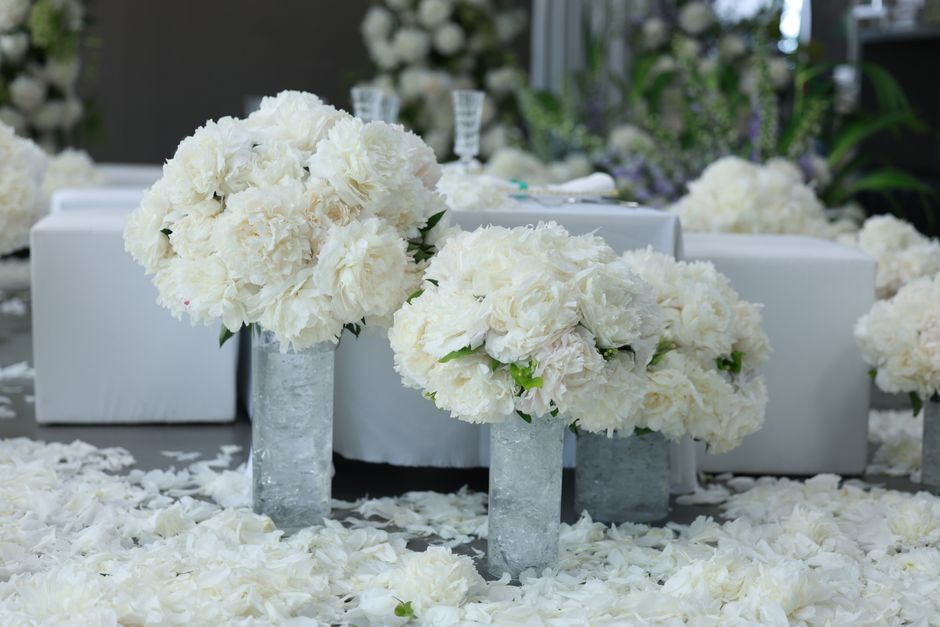
Why Common problems with wedding flowers in Millwall venues Matters
Millwall is not a generic wedding location. It sits in a part of London where venues can be compact, access can be awkward at busy times, and the journey from florist to venue may involve narrow streets, loading limits, or a quick hand-carry across reception areas. Those factors matter because flowers are delicate, time-sensitive, and easily affected by handling.
When wedding flowers go wrong, the damage is rarely catastrophic in a dramatic sense. It is usually subtler. A bridal bouquet may start to droop before the photographs. A centrepiece may be too tall for the table conversation to feel comfortable. Buttonholes may get crushed in a jacket pocket. None of that sounds major on paper, but in the room, on the day, it is the kind of thing you notice immediately. And once you notice it, you cannot unsee it.
This is why the topic matters. Good floral planning is not just about aesthetics. It affects comfort, timing, venue flow, and how polished your photos look. In a Millwall setting, where a venue might have mixed lighting, a tight setup schedule, or stricter delivery coordination, flower decisions need to be practical as well as beautiful.
Expert summary: In Millwall venues, the best wedding flowers are the ones that suit the room, survive the journey, and arrive exactly when the venue can receive them. Beauty matters. Timing matters more than most people expect.
How Common problems with wedding flowers in Millwall venues Works
Most floral problems begin long before the ceremony. They start with assumptions. A couple may assume a bouquet will look the same all day, that any flower will handle a warm room, or that the venue team will naturally know where everything should go. In reality, wedding flowers are a chain of small decisions, and one weak link can show up fast.
Here is how the process usually works in practice:
- You choose a style based on inspiration photos, season, and budget.
- The florist selects stems that fit the brief and the timing of the wedding.
- The flowers are prepared for transport, storage, and final arrangement.
- Delivery is coordinated around the venue's access rules and event schedule.
- The setup is completed with bouquets, ceremony flowers, table arrangements, and buttonholes in place.
- The flowers live through the day, which is where heat, handling, and time can either cooperate or ruin the effect.
Millwall venues add their own layer of complexity. Some spaces are beautifully modern but have limited back-of-house access. Some are historic or characterful, which is lovely, but not always forgiving for large floral installations. Others have multiple events in one day, so your flowers may need to be delivered within a narrow slot. No drama, just logistics.
The main failure points are usually one of these: timing, temperature, transport, fit, fragility, or a mismatch between the venue and the arrangement style. Once you understand that, planning becomes much easier. Not easy-easy. Just manageable.
Key Benefits and Practical Advantages
Being aware of floral problems may not sound romantic, but it gives you a serious advantage. The couples who get the smoothest results are not the ones who obsess over every petal. They are the ones who make smart, grounded decisions early.
Here are the practical advantages of planning around common wedding flower issues:
- Better freshness on the day because arrangements are chosen and timed for the venue environment.
- Fewer last-minute surprises when access, delivery, and setup are confirmed in advance.
- Cleaner photos since the flowers are more likely to stay upright, hydrated, and visually balanced.
- Less stress for the couple because there are fewer moving parts to troubleshoot on the morning.
- Better value for money because you avoid paying for blooms that are unsuitable for the room or season.
- More comfortable guests when table designs leave space to talk, eat, and see across the table.
There is also a hidden benefit: confidence. When you know your flowers have been planned for the venue properly, you stop worrying about them. That matters. You should be thinking about the ceremony, not whether the eucalyptus has started to curl in the heat.
For couples who want a simpler route, a curated set such as a wedding collection or a focused choice like bridal bouquets can reduce decision fatigue while still looking elegant.
Who This Is For and When It Makes Sense
This topic is for anyone planning a wedding in or around Millwall who wants flowers to look right without becoming a headache. It is especially useful if you are working with a venue that has a specific setup window, if your ceremony and reception are in different places, or if you are trying to keep the day flowing smoothly without too many handoffs.
You will find it particularly relevant if:
- your venue has strict access or timing rules
- you are getting married during a warm spell or a busy summer weekend
- you want large displays but have limited transport space
- you are choosing seasonal flowers and need to know what may be fragile
- you are balancing flowers for photos, tables, and ceremony backdrops
- you want to avoid overspending on stems that do not suit the room
It also makes sense for couples who like the look of floral inspiration online but are not sure how that translates into a real London venue. Those glossy images are lovely, honestly, but a photo never tells you whether a table arrangement blocks sightlines or whether the bouquet will survive a walk from the car park to the lift.
If you are looking for a broader starting point, browsing a local florist in Millwall E14 can help you compare styles with actual venue realities in mind.
Step-by-Step Guidance
Here is a practical way to avoid the most common issues. This is not wedding-planning theatre. It is the simple stuff that saves time later.
1. Start with the venue, not the bouquet
Ask how the room looks in daylight and in evening lighting. A bouquet that looks soft and romantic in a bright showroom might look washed out under warm indoor lights. A tall centrepiece may look stunning in theory but feel too heavy in a compact reception room.
2. Check access, timing, and delivery points
Find out where flowers can be delivered, who receives them, and whether there is a lift, loading bay, or rear entrance. In Millwall, this can be the difference between a calm setup and a frantic ten-minute carry through an awkward entrance.
3. Match flowers to the season and room conditions
Some flowers are naturally more robust than others. If the room is warm or the setup is early, choose stems that hold shape well. Soft, open blooms can be beautiful, but they may need extra care. A sensible florist will explain that clearly.
4. Decide what needs to travel and what can be built onsite
Large arches, heavy centrepieces, and complex installations are often safer when assembled close to the venue. Bouquets, buttonholes, and smaller table flowers usually travel more easily. The trick is knowing what is worth transporting and what is worth simplifying.
5. Keep the flower list tight
It is tempting to add everything-bridal bouquet, bridesmaid bouquet, corsages, buttonholes, table flowers, top table pieces, staircase arrangements, the lot. But more items mean more chances for delays or inconsistency. Choose what actually matters for the day.
6. Plan for storage and hydration
Flowers need cool, careful holding before they are displayed. A venue cupboard, a shaded prep space, or chilled transport can make a visible difference. This is one of those unglamorous details that quietly saves the day.
7. Confirm the final handover
Make sure someone knows when the flowers arrive, where they go, and who signs them off. It sounds obvious. It often is not. On a busy wedding morning, obvious things have a habit of disappearing.
For table styling, smaller arrangements such as wedding table arrangements can be easier to manage than oversized displays, especially in tighter Millwall venues.
Expert Tips for Better Results
To be fair, the best floral advice usually sounds quite ordinary. That is because it is practical. Here is what tends to make the biggest difference.
- Choose sturdier blooms for long days. Roses, alstroemeria, chrysanthemums, and similar stems often hold up better than very delicate petals in warm rooms.
- Use colour deliberately. White and green schemes can feel elegant and calm, while mixed colours can lift a darker venue. It depends on the room, not just personal taste.
- Keep buttonholes simple. They should sit neatly on the lapel. If they are too large, they bend, droop, or get knocked off during hugs and handshakes.
- Ask how flowers will be hydrated. If nobody has a plan for water or cool storage, the flowers are working too hard.
- Think about movement. Will the bouquet be carried all day? Will guests move between ceremony and reception with flowers in hand? Heavy arrangements become tiring quickly.
- Don't chase perfection in every stem. Slight variation is normal. In fact, it is often what makes wedding flowers feel natural rather than staged.
A small but useful tip: if the venue has strong daylight in the morning and warmer artificial light later, ask for a sample colour conversation. A soft blush arrangement may look dreamy at 10 a.m. and oddly pale by 7 p.m. Funny how that works, really.
If you prefer to keep things stylish but manageable, consider browsing wedding buttonholes and wedding corsages as separate items rather than trying to build everything around one oversized design idea.
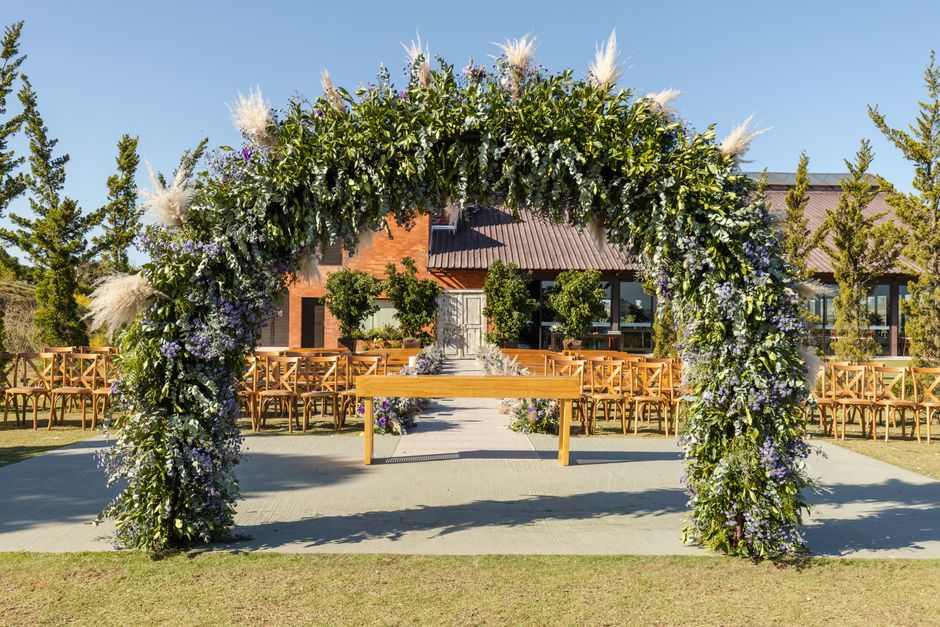
Common Mistakes to Avoid
Most wedding flower problems are predictable once you have seen a few of them. Here are the mistakes that come up again and again.
Choosing flowers only from photos
Instagram-style inspiration is helpful, but it does not tell you how a design behaves in a real room. Some arrangements are gorgeous in still images and awkward in actual use. Looks matter, yes, but function matters too.
Ignoring venue dimensions
A table that seems huge in a room layout can actually feel tight once candles, glasses, place settings, and centrepieces are all on it. One of the most common issues is simply scale.
Forgetting the weather and season
Millwall in summer can feel very different from Millwall on a cool winter afternoon. Heat, humidity, and travel time all influence how flowers perform. It is not just about the month-it is about the actual day.
Overloading the schedule
If flowers have to arrive, be checked, be re-trimmed, and be moved three times before the ceremony, something is asking for trouble. Keep the setup efficient.
Picking delicate flowers for long exposure
Some flowers are naturally more fragile. If they are going to sit in warm air for several hours, they may not look as good at the first dance as they did at the aisle moment.
Not agreeing on installation responsibility
Sometimes couples assume the venue will place everything. Sometimes the florist assumes the venue will. Sometimes everyone is waiting. That awkward gap is easy to prevent with one direct conversation.
Forgetting about guest comfort
Big arrangements on dining tables can block conversation, and very fragrant flowers may overwhelm a small room. A wedding is not a flower exhibition. Well, not only that.
Tools, Resources and Recommendations
You do not need fancy software to plan wedding flowers well, but a few practical tools and resources make life easier.
- Venue floor plan so you can check table sizes, access routes, and display placement.
- Photo references from venues with similar lighting or layout.
- A simple flower priority list so you know what matters most: bouquet, ceremony, tables, or buttonholes.
- Delivery timing notes to share with the florist and venue contact.
- Colour swatches or mood board to keep tone and styling consistent.
For couples who want to keep things organised, product pages such as white bridal bouquet options, a classic bridal bouquet style, or a balanced wedding bouquet design can be useful starting points when discussing shape and feel.
It can also help to review general flower care guidance before the day. A good care routine-clean water, cool storage, minimal handling-sounds basic, but basic is often what keeps the petals perky.
If you are comparing local options, browsing flower shops in Millwall E14 may help you judge which florist understands wedding logistics as well as style.
Law, Compliance, Standards, or Best Practice
Wedding flowers are not a highly regulated purchase in the same way as some professional services, but there are still best-practice expectations worth paying attention to. In the UK, most of the practical issues are about consumer clarity, safe delivery, and sensible venue coordination rather than formal legal complexity.
For example, a florist should be clear about what is included, how delivery works, what happens if access is delayed, and what the substitution approach is if a specific stem is unavailable. That kind of transparency is just good practice. It protects everyone on the day.
Venues may also have their own rules about:
- delivery windows
- flammable items near candles
- where floral foam, water, or mechanics can be used
- load-in and load-out access
- collection of hired or reusable items after the event
It is wise to check these early rather than assume. Some venues are relaxed, some are exacting, and most are somewhere in between. Either way, the safest approach is to get everything in writing and share it with the florist well before the wedding week.
If you want reassurance on service standards, pages such as guarantees, delivery information, and terms and conditions can help you understand how a florist handles expectations, timing, and responsibility.
Options, Methods, or Comparison Table
Not every wedding needs the same floral approach. The best option depends on venue size, budget, timing, and how much setup support you want. Here is a simple comparison to help you think it through.
| Option | Best for | Pros | Watch out for |
|---|---|---|---|
| Hand-tied bouquets and small accessories | Intimate weddings and simple setups | Easy to transport, lower risk, neat and flexible | May feel too modest for larger rooms if used alone |
| Full ceremony and table styling | Couples who want a coordinated look | Strong visual impact, polished photos, cohesive design | Needs tighter planning, more venue coordination, higher complexity |
| Collection-based wedding packages | Couples who want clarity and speed | Efficient to choose, usually easier to budget, less decision fatigue | Less room for highly custom details |
| Mixed bespoke approach | People who want some custom features without a full redesign | Good balance of flexibility and control | Requires clear communication to avoid mismatched elements |
In practice, many Millwall couples do best with a blended setup: a strong bouquet, tidy buttonholes, and a few well-placed table arrangements rather than trying to decorate every corner. It keeps the room elegant without turning the day into a logistics puzzle.
Case Study or Real-World Example
Imagine a couple planning a late-afternoon wedding in a Millwall venue with a compact dining area and limited setup time. They first picture large, cascading centrepieces and a dramatic floral arch. Lovely idea. Problem is, the venue's access is narrow, the room will be used for another function earlier in the day, and the tables are smaller than expected.
After a quick review, they simplify. They choose a defined bridal bouquet, neat bridesmaid bouquets, compact table arrangements, and buttonholes that stay out of the way. They switch from a very soft, highly delicate flower mix to a more robust palette with stronger stems. They also confirm delivery for a narrow setup window and ask the venue exactly where flowers can be staged before placement.
What changes? Quite a lot, actually. The flowers arrive in better condition, the room looks coordinated rather than crowded, and the photographs feel cleaner because nothing is competing for space. Guests can talk comfortably across the tables. The bouquet still looks beautiful in the late afternoon light, which is the bit that matters when the camera starts clicking.
This kind of adjustment happens all the time. It is not about lowering standards. It is about matching ambition to the venue. That is what makes flowers feel seamless instead of slightly squeezed in.
Practical Checklist
Use this checklist before you finalise anything. It keeps the process grounded.
- Have I checked the venue's access and delivery rules?
- Do the flowers suit the season and likely room temperature?
- Are the arrangements scaled to the table and room size?
- Have I confirmed who receives and places the flowers?
- Is the bouquet easy to carry and comfortable to hold?
- Do the buttonholes and corsages look secure and simple?
- Have I asked about hydration, storage, and final conditioning?
- Are the colours right for the venue lighting?
- Do I know what happens if a flower is unavailable?
- Have I kept the floral plan realistic for the budget and timeline?
If you can answer yes to most of those, you are in good shape. Not perfect maybe, but very much on the right track.
Conclusion
The common problems with wedding flowers in Millwall venues usually come down to a handful of manageable things: awkward access, tight timing, poor scaling, fragile blooms, and assumptions about who is doing what on the day. Once you see those issues clearly, they are much easier to avoid.
The smartest approach is simple. Start with the venue, choose flowers that can handle the environment, keep the design practical, and confirm the logistics early. That way, the flowers support the wedding rather than becoming another task to worry about.
If you are still weighing up styles or trying to keep the planning process calm, take one thoughtful step at a time. That is usually enough. And on the day, when the light catches the bouquet just right and the room finally comes together, you will be glad you kept it grounded.
Get a free quote today and see how much you can save.
Beautiful wedding flowers do not have to be complicated. When the planning is sensible, they simply feel like part of the day-quietly lovely, exactly where they should be.
Frequently Asked Questions
What are the most common problems with wedding flowers in Millwall venues?
The biggest issues are usually access, timing, room size, temperature, and choosing arrangements that are too large or too delicate for the venue. In Millwall, logistics often matter as much as style.
How far in advance should wedding flowers be planned?
It is sensible to start early enough to discuss venue details, seasonal availability, and delivery logistics without rushing. The exact timeline depends on the scale of the wedding, but earlier is nearly always easier.
Can wedding flowers survive a warm venue room?
Yes, if the flowers are chosen carefully and handled properly. More robust blooms, good hydration, and sensible timing all help. Delicate flowers may need extra care in warm conditions.
What flowers work best for a Millwall wedding venue?
It depends on the room and the season, but sturdy stems and arrangements that suit the venue's lighting and size often perform best. A florist can help you balance appearance with practicality.
Are large floral arrangements a bad idea for smaller venues?
Not always, but they can overwhelm the space if not designed carefully. Smaller or more compact arrangements often work better in tight rooms because they leave space for guests and table settings.
How do I know if my bouquet will be too heavy?
If the design uses a lot of stems or extra layers of foliage, it may become tiring to hold for long periods. A good florist should be able to advise on balance and weight before the wedding.
Should I choose seasonal flowers for a wedding in Millwall?
Usually, yes. Seasonal flowers are often fresher, more suitable for the conditions, and less likely to cause problems with availability. They can also be better value.
What should I ask the venue before ordering flowers?
Ask about delivery times, access points, storage space, table sizes, and any rules about candles, mechanics, or installations. These details can change the floral plan quite a bit.
What if my chosen flowers are not available on the day?
That is where clear substitution guidance helps. A florist should be able to suggest alternative stems that keep the same feel, even if one specific flower is unavailable.
Do I need flowers for every part of the wedding?
No. It is usually better to focus on the most visible and meaningful areas: bouquet, buttonholes, ceremony focal points, and a few well-placed reception arrangements. A smaller plan can still look elegant.
How can I make wedding flowers look good in photos?
Choose colours that suit the venue light, avoid overcrowding the room, and make sure the bouquet and key arrangements are proportionate. Flowers that look balanced in the room usually photograph better too.
What is the safest way to transport flowers to a Millwall venue?
Keep them secure, cool, and upright where possible, and make sure delivery and handover are clearly agreed in advance. For larger or more delicate pieces, professional delivery is often the safest option.


